 StardewValleyZone
In 2026, the video game industry is still caught in a curious loop: when a beloved franchise goes quiet or wanders off course, fans do not simply wait. They roll up their sleeves and say, 'Fine, we will do it ourselves.' The result is a thriving subgenre of spiritual successors—games that wear their inspirations on their sleeve, yet stand tall on their own two feet. Some are hit or miss. But when they hit, they hit surprisingly hard. The following ten titles prove that nostalgia can be a launchpad rather than a cage.
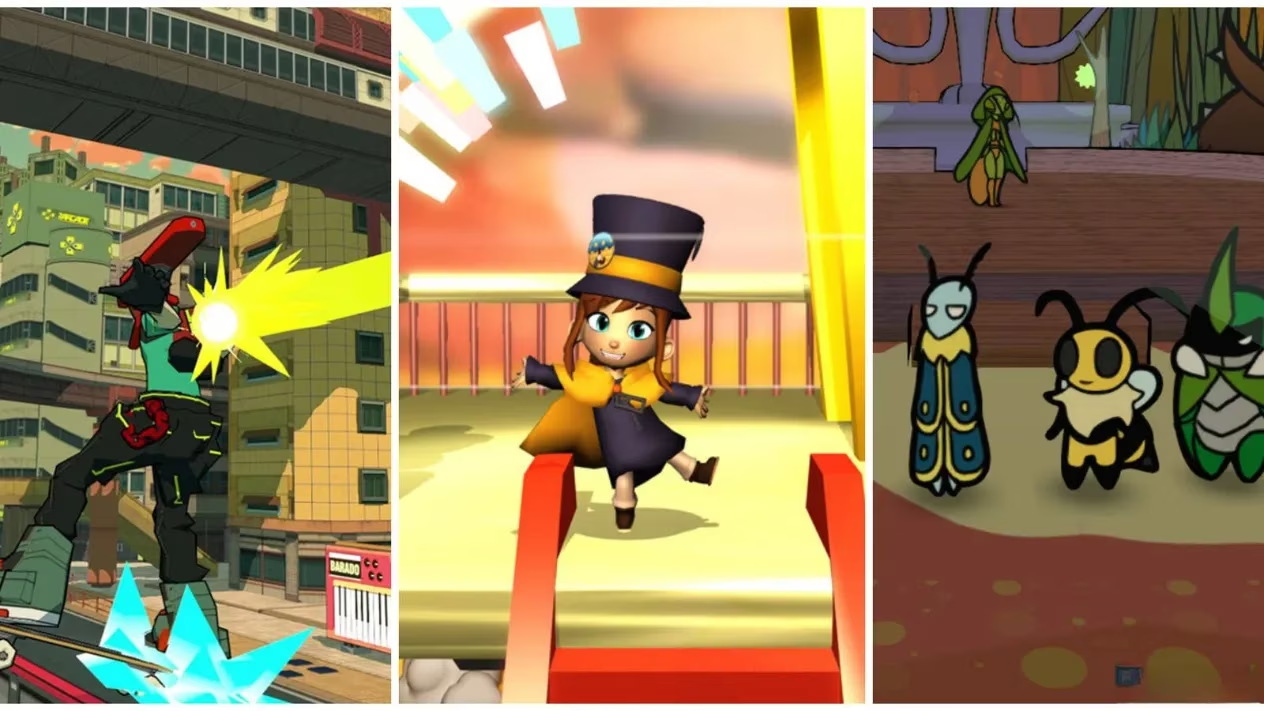
The Fan-Favorite Ten at a Glance
| Game | Inspired By | Why It Works |
|---|---|---|
| Bomb Rush Cyberfunk | Jet Set Radio | Jetpacks, graffiti, and funk |
| Bloodstained | Castlevania | Gothic castle, Igarashi pedigree |
| Stardew Valley | Story of Seasons | Farming plus everything else |
| Bug Fables | Paper Mario | Turn-based bugs with heart |
| Freedom Planet | Sonic the Hedgehog | Speed with dragons |
| Pizza Tower | Wario Land | Manic speedrunning chaos |
| A Hat in Time | Super Mario Sunshine | Cute 3D collect-a-thon |
| The Messenger | Ninja Gaiden | Action platformer meets Metroidvania |
| Signalis | Silent Hill | Pixelated psychological horror |
| Tunic | The Legend of Zelda | Manual-free mystery and Souls combat |
1. Bomb Rush Cyberfunk: Like Jet Set Radio With Jetpacks
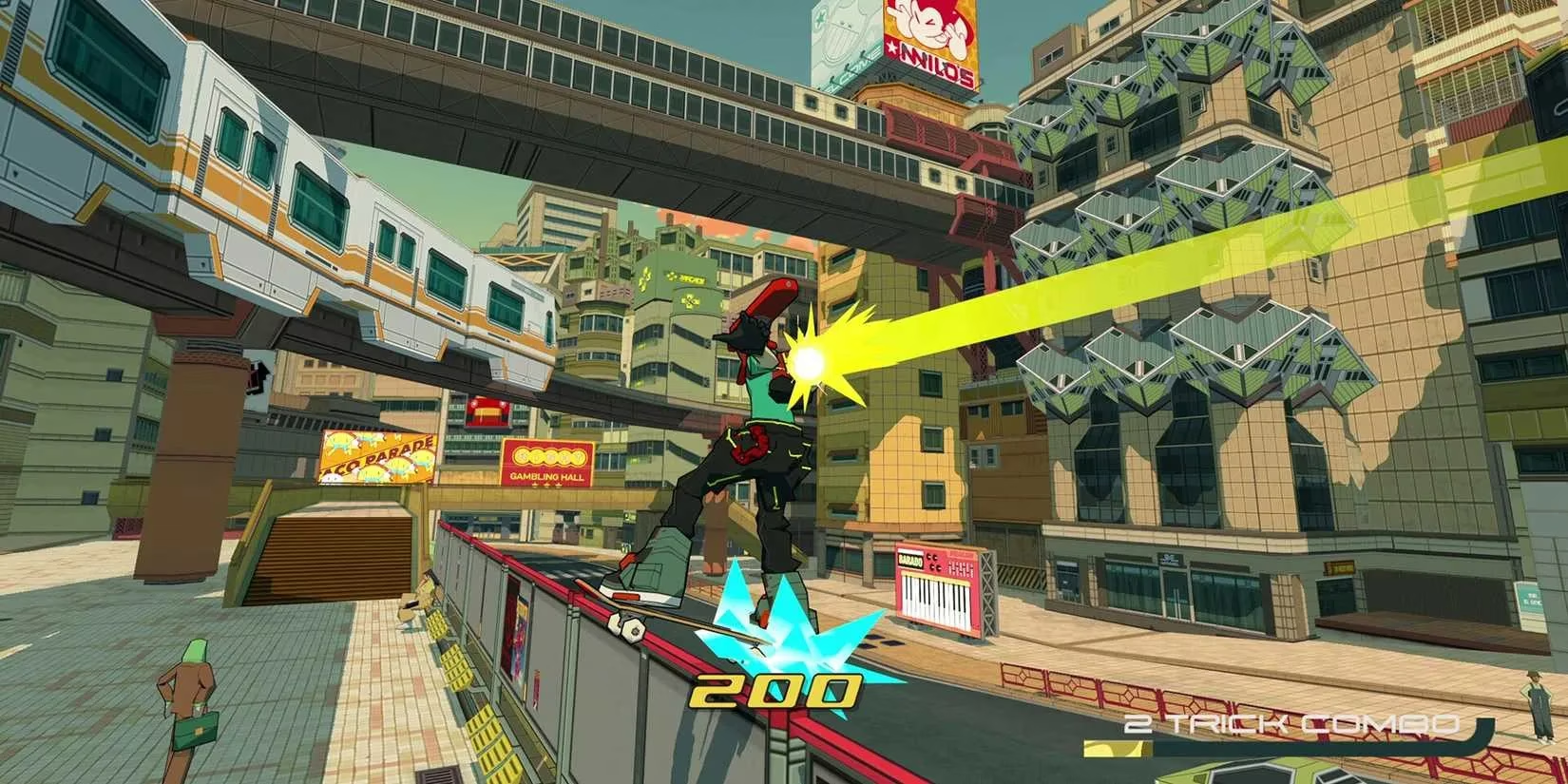
Sega's Jet Set Radio has been dormant since 2002, so Team Reptile took matters into its own hands. Bomb Rush Cyberfunk brings back stylish skating, graffiti tagging, and a funky soundtrack—composer Hideki Naganuma returns—while adding skateboards, BMX bikes, and jetpacks. It also streamlines graffiti painting and lets players walk and jump normally, making the chaos smoother. In 2026, it remains a go-to for fans craving that cel-shaded rush.
2. Bloodstained: Ritual of the Night: Like Castlevania Without the Vampires
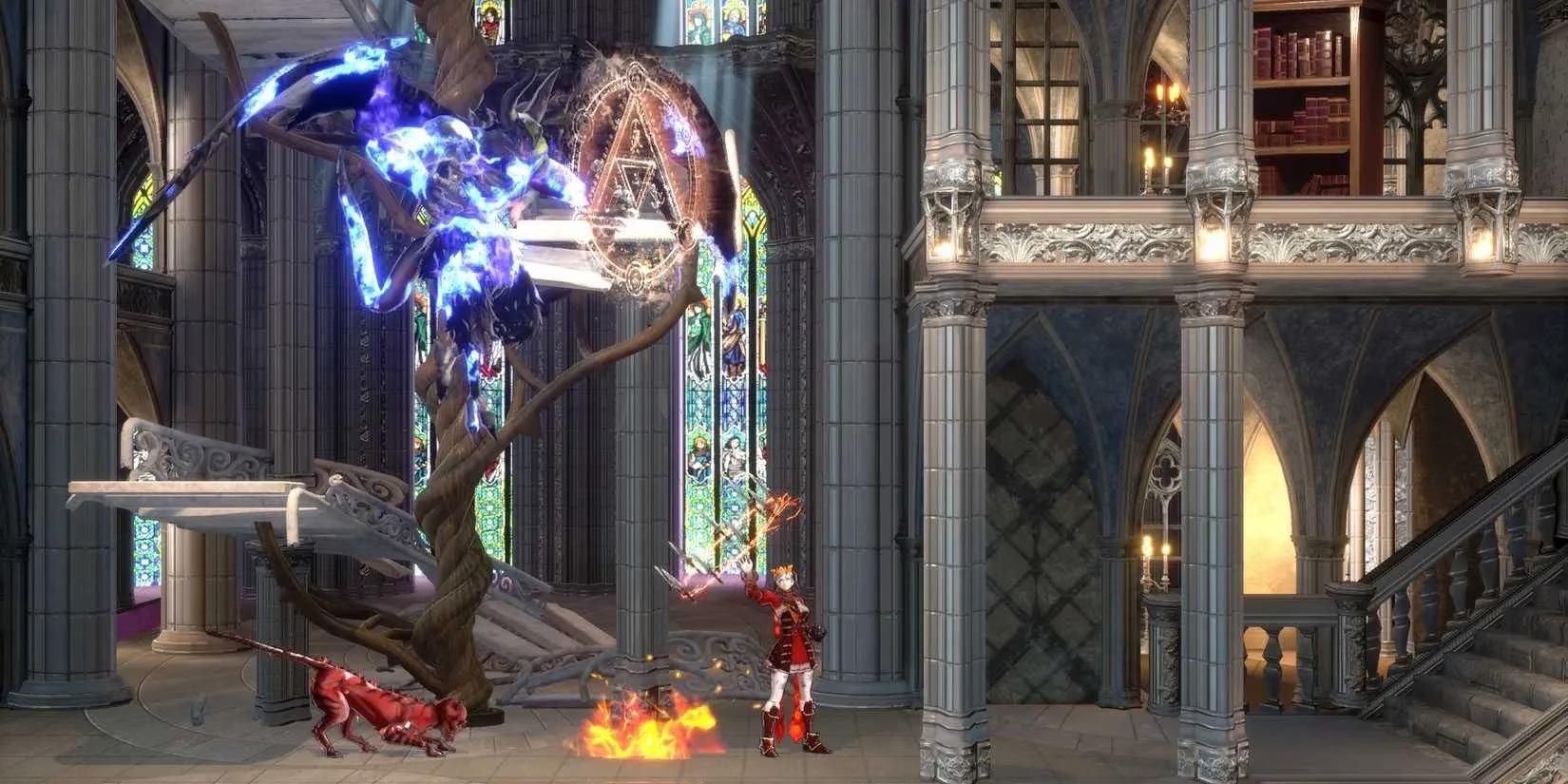
Koji Igarashi, assistant director of Castlevania: Symphony of the Night, crowdfunded his own gothic Metroidvania. Bloodstained: Ritual of the Night drops players into a massive castle full of spooky beasts. Slaying monsters unlocks new combat and exploration abilities, gradually revealing the map and secret areas. It is Castlevania in all but name—and that is precisely the point.
3. Stardew Valley: Like Story of Seasons With More Stuff To Do
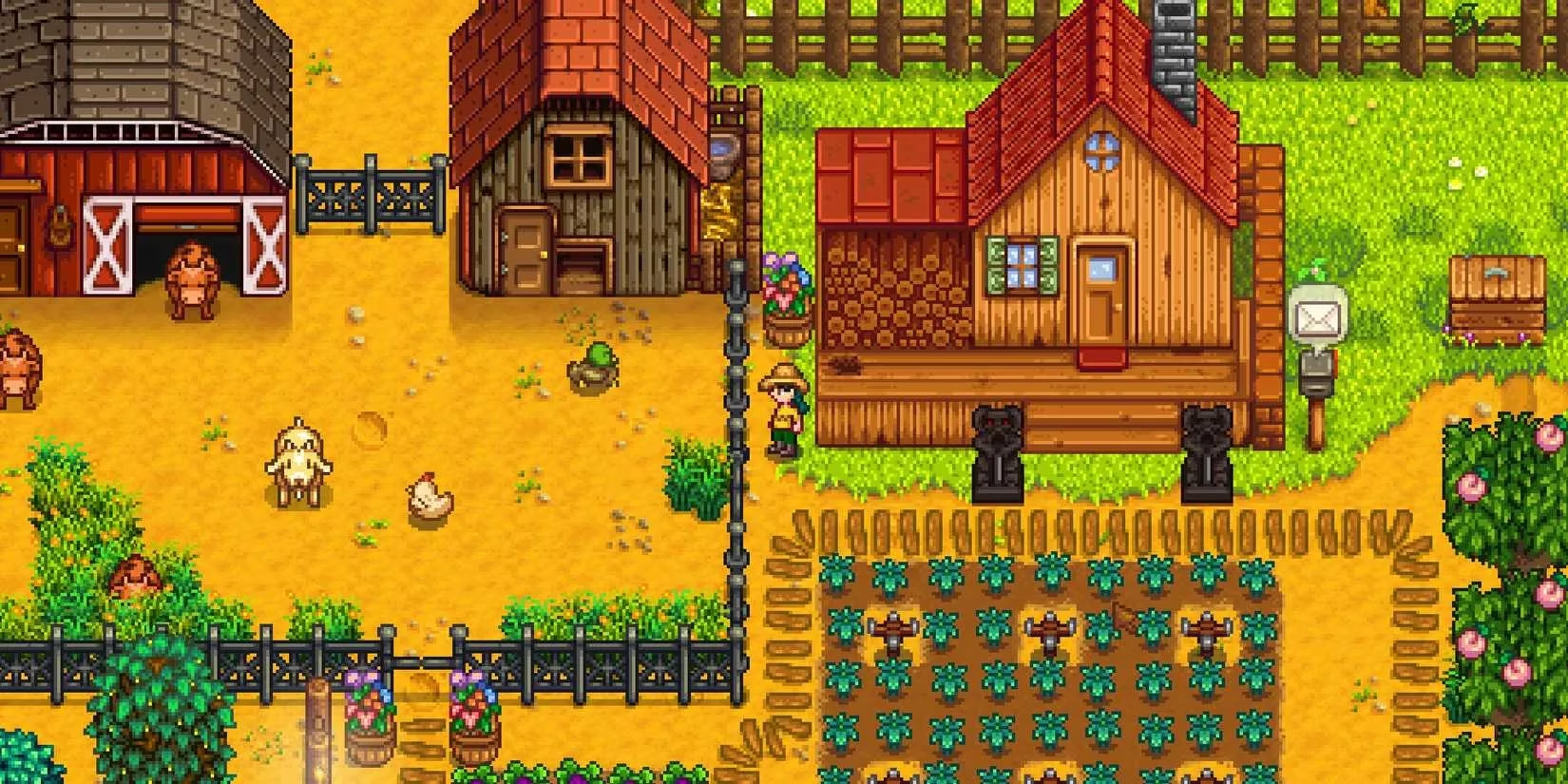
Story of Seasons still releases games, but ConcernedApe's Stardew Valley is the one that reignited the farming sim boom in 2016. It takes the Harvest Moon formula and cranks it to eleven: farming, family, crafting, combat, and interpersonal relationships. In 2026, its updates and mod scene keep it alive. Sometimes the copycat becomes the benchmark.
4. Bug Fables: The Everlasting Sapling: Like Paper Mario With Bugs
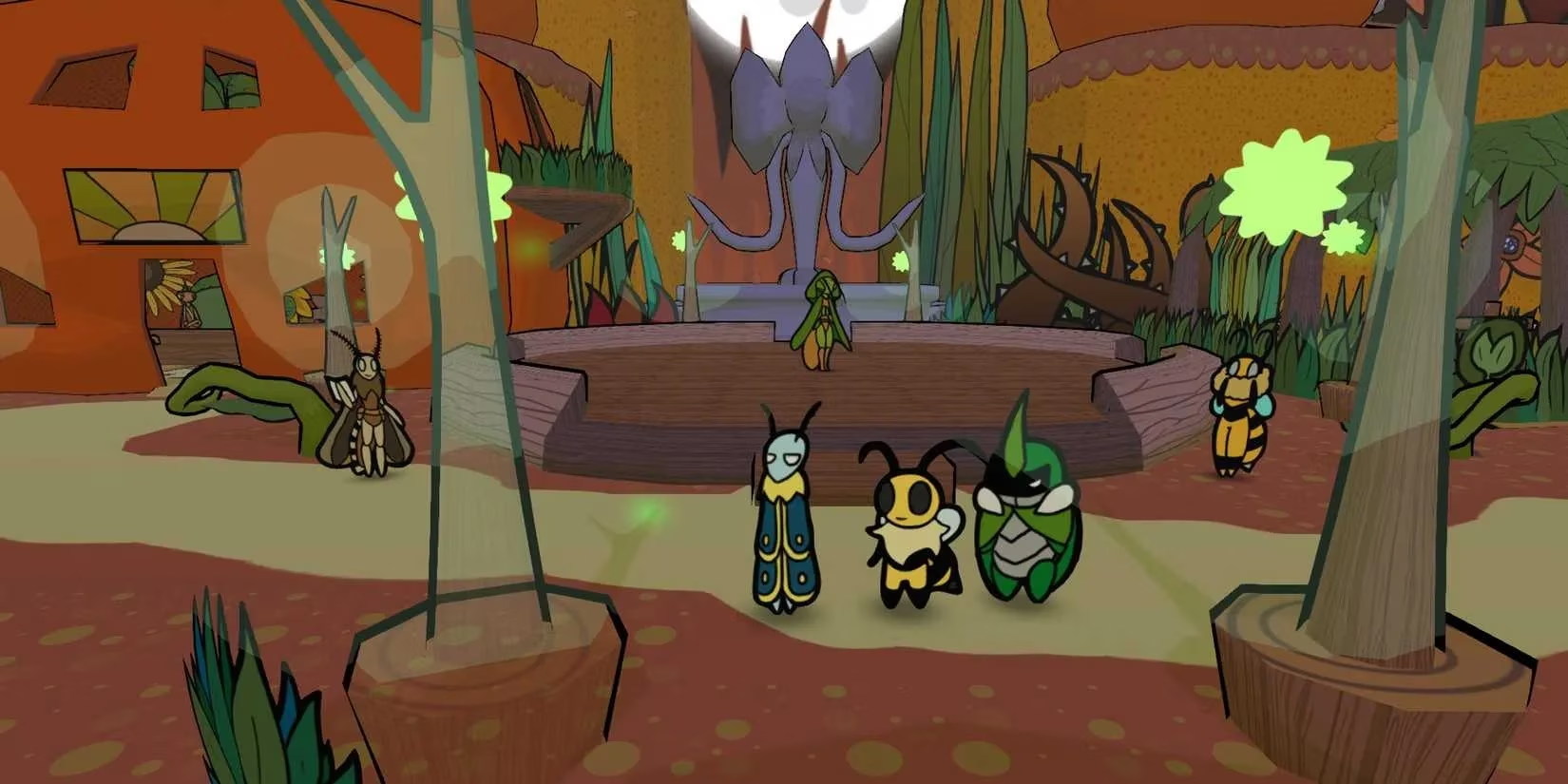
After Paper Mario: Sticker Star divided fans in 2012, Moonsprout Games offered a bug-sized alternative. Bug Fables wears its Paper Mario inspiration on its sleeve—paper-thin sprites and turn-based battles—but emphasizes team coordination and a surprisingly dramatic story. For players who miss old-school Paper Mario, it is a heartfelt love letter.
5. Freedom Planet: Like Sonic With Dragons
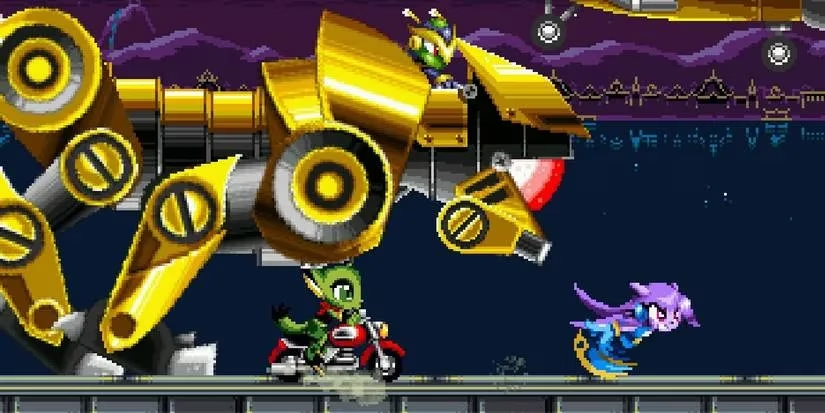
Classic 2D Sonic's speed has been hard to replicate, but GalaxyTrail's Freedom Planet comes close. It delivers the thrill of blasting through levels at high speed, then adds multiple playable characters, more complex level design, and an unexpectedly entertaining cinematic story. It is not just a Sonic clone; it is a dragon-sized remix.
6. Pizza Tower: Like Wario Land With Pizza
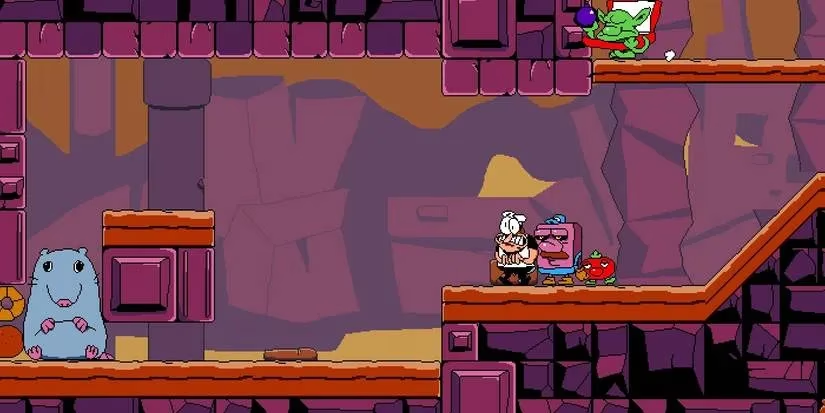
Wario Land's frantic exploration and speed-based gameplay live on in Pizza Tower. The game uses spontaneous transformations and timed escapes, then tunes everything for precision and speedrunning. Chaining manic nonsense into a chaotic ballet is the name of the game. In 2026, its pizza-soaked halls still echo with Wario's spirit.
7. A Hat in Time: Like Super Mario Sunshine But Cuter
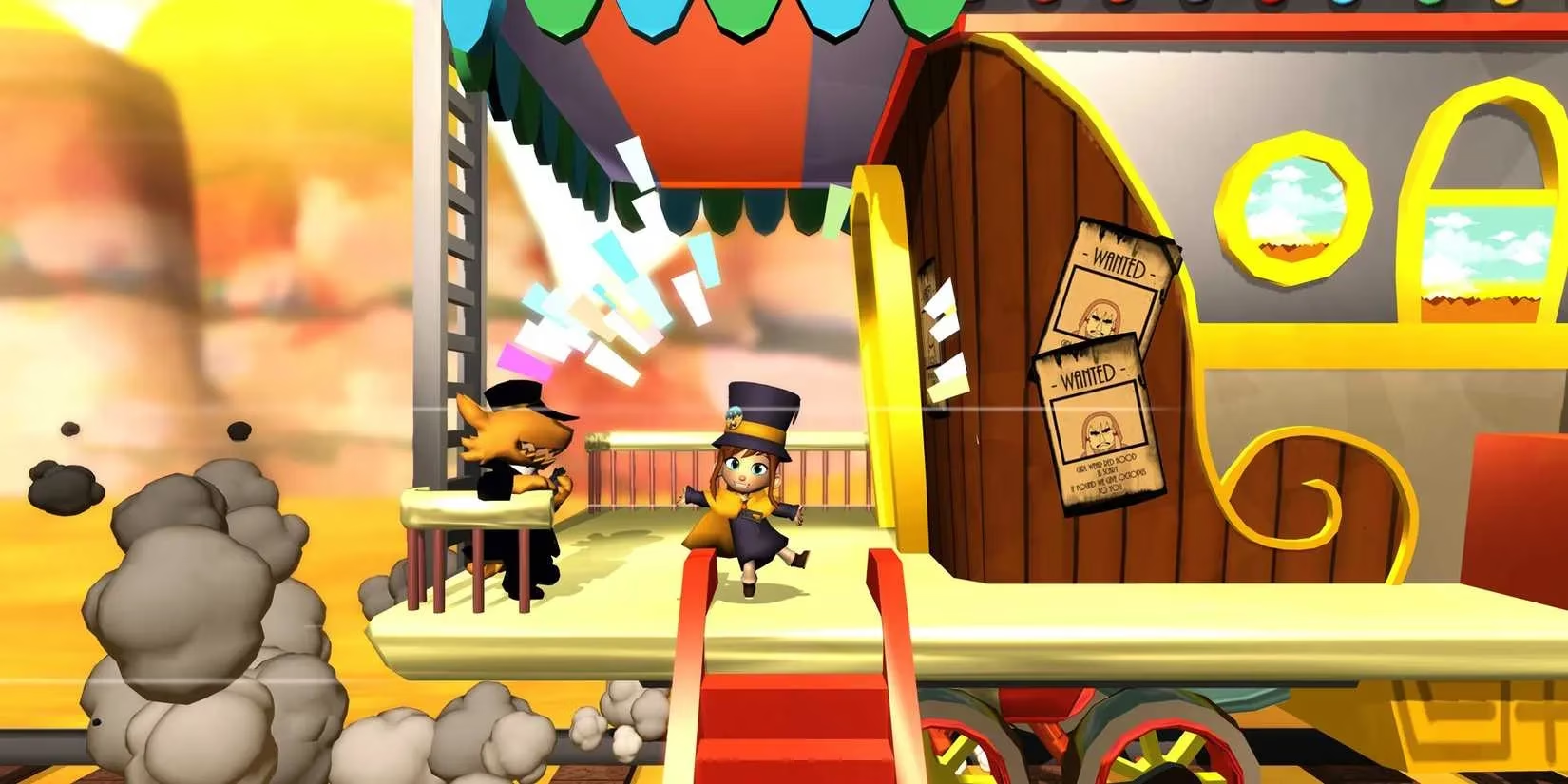
The 3D collect-a-thon got a Kickstarter-powered revival with A Hat in Time. It is silly, cute, and occasionally terrifying, with a big focus on platforming and secret hunting. Its closest analogue is Super Mario Sunshine: both offer varied movement abilities and secret platforming levels with oddly soothing music. It is a hat trick of charm.
8. The Messenger: Like Ninja Gaiden But Sillier
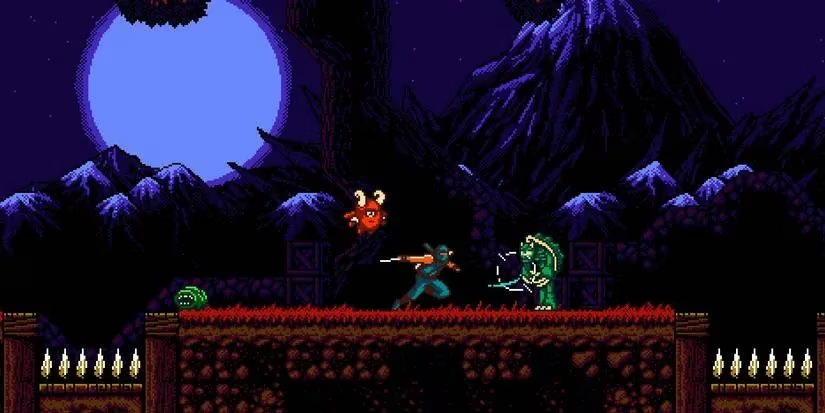
The Messenger starts as a Ninja Gaiden-style action platformer, then blooms into a full Metroidvania. It rewards exploration with ninja abilities, and it is exceptionally silly compared to its serious inspiration. The game proves that punishing difficulty and playful humor can share the same dojo.
9. Signalis: Like Silent Hill With Robots
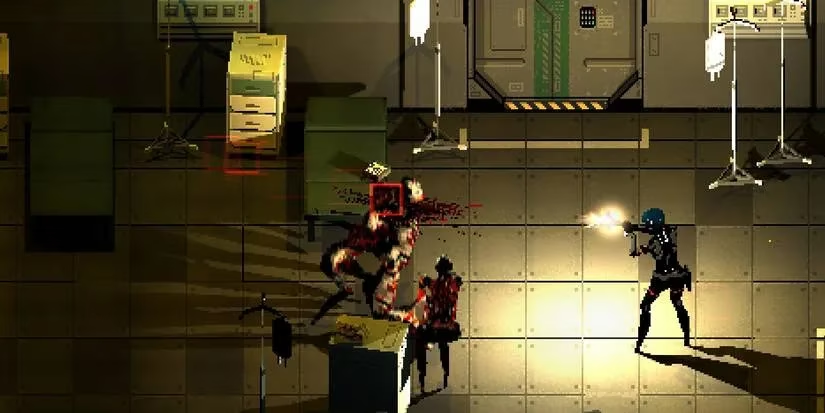
During Silent Hill's long unofficial hiatus, rose-engine's Signalis revived isolationist horror and detail-oriented puzzle solving. Its top-down pixel art changes the camera angle, but the foreboding remains. Trapped with unknowable horrors, players interact with glowing red save screens—a less-than-subtle nod to its inspiration. It is psychological dread in a compact, robotic package.
10. Tunic: Like Zelda Without an Instruction Manual
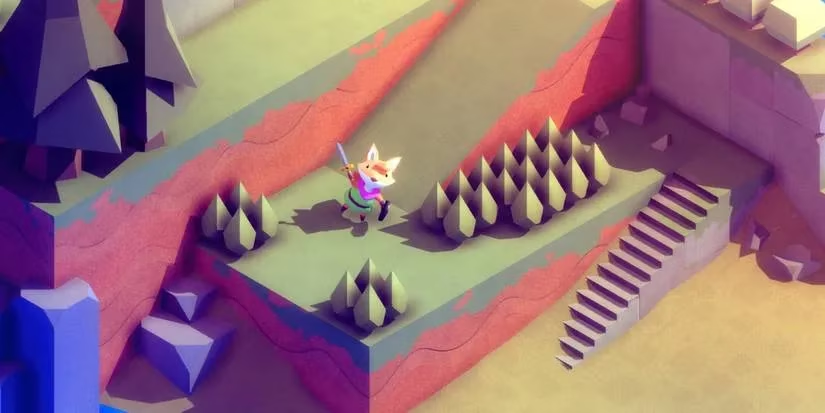
Tunic deliberately invokes the NES era, when games had no tutorials and manuals were essential. Players start knowing nothing, then gradually uncover pages of an in-game instruction manual. Alongside Zelda-like exploration, it adds Souls-style dodging and parrying in high-damage combat. It is a puzzle box disguised as an adventure.
The Bottom Line
In 2026, these ten games show that fan passion can produce more than imitation. They can push genres forward, revive dormant formulas, and sometimes outshine the very games that inspired them. As long as publishers leave gaps, fans will keep filling them—one spiritual successor at a time.