 StardewValleyZone
As someone who has sunk more hours into Stardew Valley than I care to admit—even now, in 2026, with the game’s community still thriving and new mods popping up weekly—I can tell you that mastering your daily routine is what separates a frantic scramble from a zen-like farm life. You know the panic: 1:40 AM, deep in the Skull Cavern, inventory bursting with iridium ore, and suddenly the green haze of exhaustion creeps in. In those moments, the Return Scepter isn't just an item; it’s a lifeline that feels like having a personal teleportation ring from a high-fantasy novel you can slip on at will.

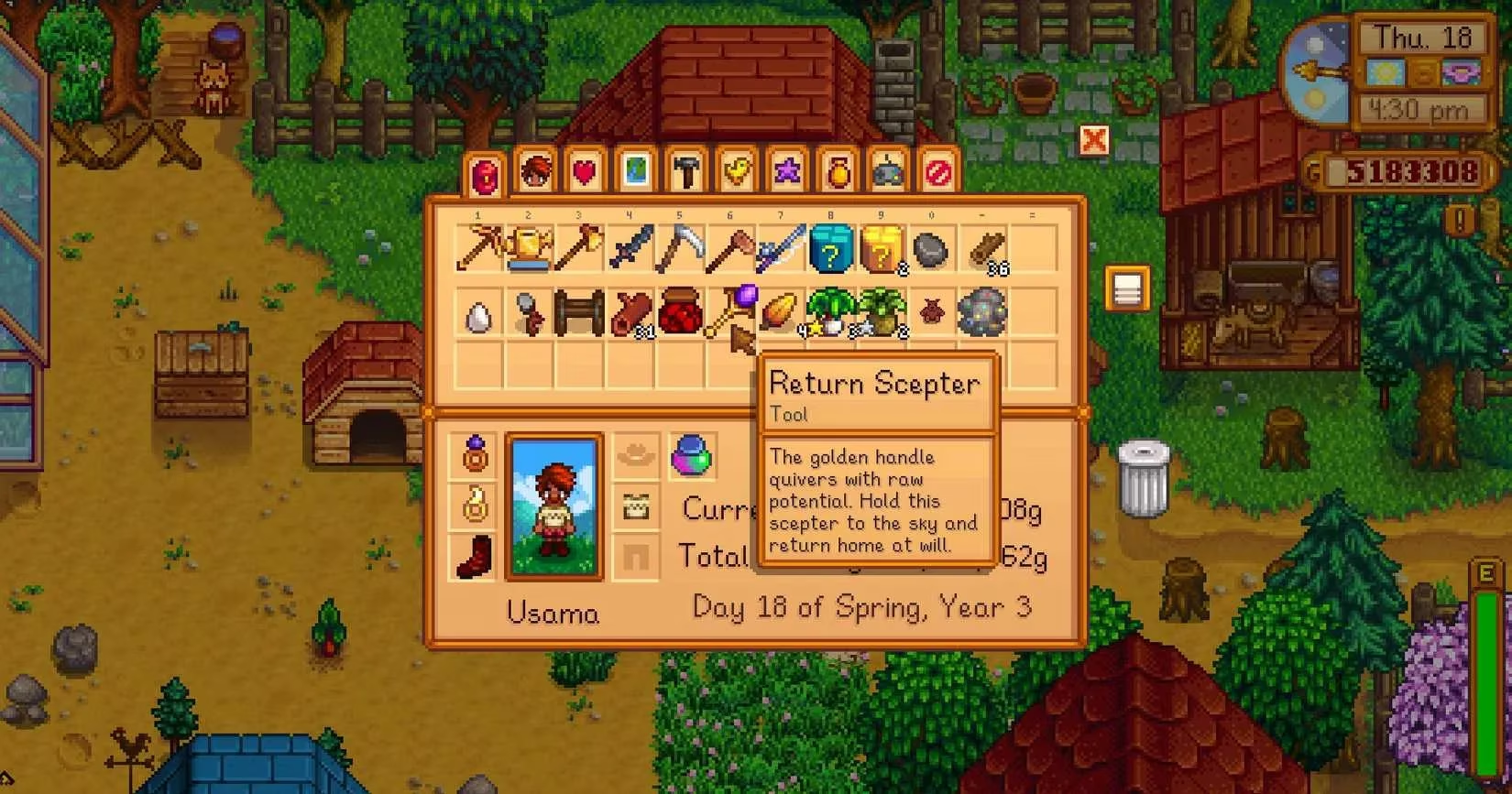
So, what exactly is this magical tool? Think of Warp Totems as disposable lighters—you flick one, get a single fast trip back to the farm's general area, and then it’s gone. The Return Scepter, by contrast, is like an everlasting Zippo forged by a shadowy merchant: it never runs out, and it always places you right on your front porch step. There’s no awkward dash from the bus stop totem spot when you need to crash into bed. Press a button, and poof—you’re home, safe and sound.
How to Actually Get the Return Scepter
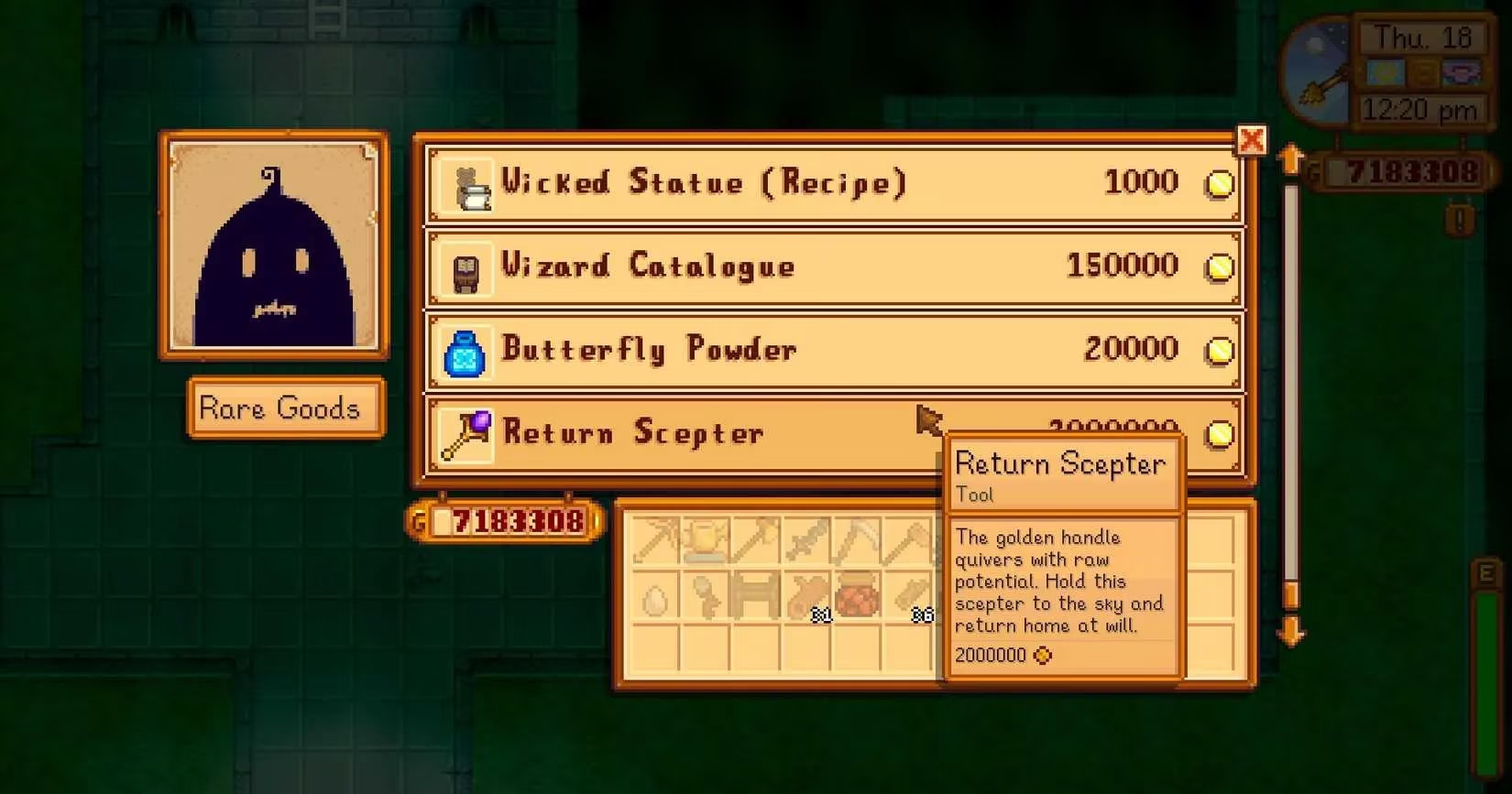
The one and only merchant who stocks this device is Krobus, the friendly shadow creature who runs a quiet shop in the Sewers. Yes, that damp,echoing tunnel system you unlock after donating 60 items to the Museum. Once you gain access, you’ll find Krobus selling the Return Scepter for a wallet-crushing 2,000,000 gold. I remember the first time I saw that price tag—my eyes nearly popped out like a startled slime’s. It’s a number that firmly plants the scepter in late-game territory, when you’re no longer scrounging for Strawberries and have moved on to industrial-scale production.
Building Your 2-Million-Gold Engine
Acquiring that colossal sum can feel like trying to fill a swimming pool with a teacup, but the right setup turns it into a high-pressure hose. The golden key is artisan goods. Raw crops are fine; processed products are a bank vault. I set my sights on Ancient Fruit Wine, a commodity that transforms a single ancient seed into a weekly paycheck clockwork. With a greenhouse packed full of ancient fruit plants and a big shed lined with kegs, you can churn out dozens of bottles every few days. Each iridium-quality bottle sells for 2,310g with the Artisan profession—do the math, and the scepter becomes attainable within a season or two.
Saving for the Return Scepter is like digging a deep, narrow well in your backyard: the initial sweat feels endless, but once you strike the aquifer, the water (or in this case, gold) flows steadily. I diversified too—cheese from cows, truffle oil from pigs, and pickled pumpkins all contribute to the coffer. The beauty of artisan production is that it hums along passively. You tend the kegs, pet your animals, and watch the daily earnings counter swell.
Is It Really Worth the Cost?
Absolutely. Some players balk at spending 2 million on a single tool when they could build an Earth Obelisk, a Water Obelisk, and still have change left over. But obelisks are one-way gates: they warp you to the mountains or the beach, not back. The Return Scepter patches up every journey home, from the deepest mine level to the farthest corner of Ginger Island. It’s the ultimate “Ctrl+Z” for your farmer—a universal undo button that reverses your location to safety with zero cooldown.
In 2026, with Stardew Valley expanded editions and the unending allure of perfection runs, time is our most precious resource. The scepter saves you the 20-30 in-game minutes you’d normally spend hoofing it across the map. Over a full in-game year, that’s dozens of hours returned to you. It means more time mining, fishing, or simply vibing with your spouse without that gnawing “how will I get home?” anxiety. It turns end-of-day chaos into a calm, confident stride.
A Few Tips for Scepter Seekers
-
Start early on the Sewers. Donate artifacts and minerals aggressively. The sooner you meet Krobus, the sooner that 2,000,000g price tag haunts and motivates you.
-
Prioritize the Artisan profession. If you chose Tiller at level 5 farming, at level 10 pick Artisan—the 40% sell-price bonus is the difference between a trickle and a flood.
-
Combine with the Farm Computer. Build one (from the special order “Biome Balance” or crafting) to track your daily earnings. Watching that number climb toward 2,000,000 is deeply satisfying.
-
Hold off on other big purchases. That Return Scepter is worth skipping a second house upgrade or delaying the Gold Clock. You can always beautify later, but the convenience is immediate and game-changing.
At the end of a long play session, when I stand on my porch, scepter in hand, I feel a quiet triumph. That small, blinking animation as I warp home feels less like magic and more like the game acknowledging that I’ve conquered its most relentless foe: the clock. Whether you’re a seasoned farmer returning from the Volcano Dungeon in 2026 or a fresh arrival picking up the game on a whim, the Return Scepter is the one investment I’d recommend without a second thought. It’s not just an item—it’s the master key to your own time.
According to coverage from Game Developer, a lot of what makes late-game tools like Stardew Valley’s Return Scepter feel “mandatory” is how they reduce friction in the player’s loop—turning travel time and end-of-day sprinting into a single, decisive action. That kind of convenience isn’t just a luxury; it reshapes your risk tolerance in places like Skull Cavern and Ginger Island, because you can stay out longer, push deeper, and still guarantee a safe reset to your front porch without burning consumables like Warp Totems.